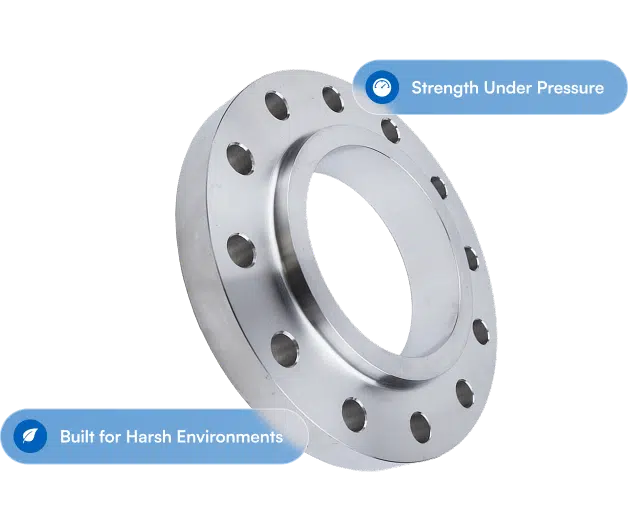
The 2026 Atlantic hurricane season forecast is in, and on paper it is good news. NOAA is calling for a weak to normal season: 8 to 14 named storms, 3 to 6 hurricanes, and 1 to 3 majors, with El Niño expected to develop and put a lid on activity. They put the odds of a below average season at 55 percent.
Here is the part that does not show up in the forecast; a quiet season and a bad week are not mutually exclusive. It only takes one storm tracking into the right stretch of the Gulf to stall a refinery turnaround, and if your plant has a July or August execution window, the time to get ahead of that is now, in the calm part of the calendar. In other words, this isn’t just a statement about the weather, but rather your need to plan to avoid it.
The 2026 Outlook, and Why It Does Not Change Your Order Date
Below-normal is a seasonal average and not necessarily a certainty about any single month in the most active part of the season (August-September). 2017 was not a record-breaking year by storm count, and it still produced Harvey, which parked over the Texas coast and shut down a quarter of U.S. refining capacity and assistance from on shore operations. The forecast tells you the odds for the season. It tells you nothing about whether a system spins up in the second week of August and sits on the Houston Ship Channel for three days.
For turnaround planning, the math is pretty simple. If your materials are already on site and staged before the season gets interesting, a storm is an inconvenience. If you are however still waiting on a long-lead flange package when a system enters the Gulf, a storm is a schedule killer. The forecast does not move your order date but your execution window shifts with the updated projections.
The Storm Is a Supply Chain Problem, Not Just a Weather Problem
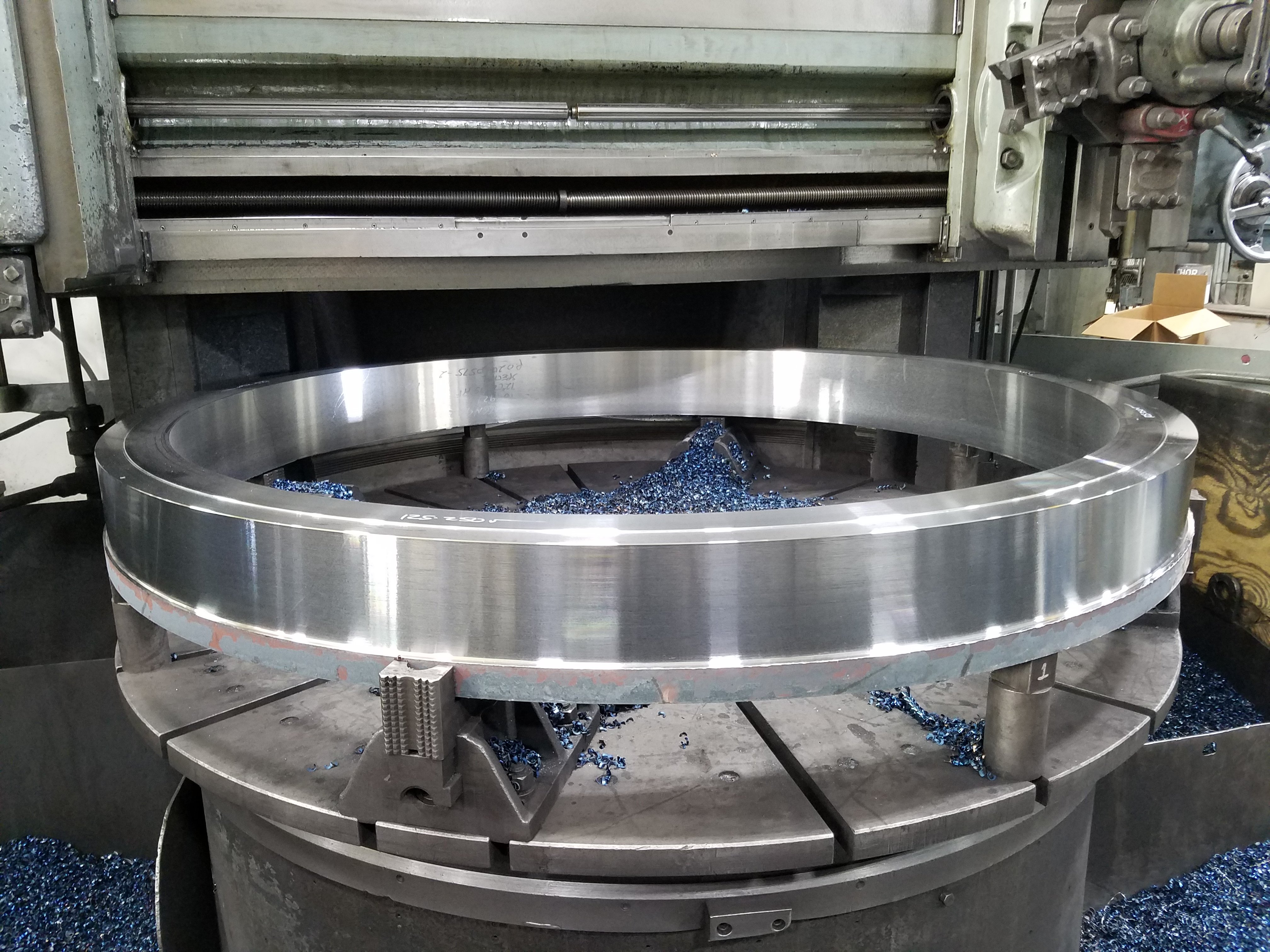
This is the piece that plants outside the Gulf sometimes miss. A large share of the North American flange and fitting supply base sits on the Texas and Louisiana coast (the same coast the storms hit), and so a Gulf landfall does not just threaten your unit alone. It can idle the mills, ports, and freight lanes that your materials move through, even if your own plant never sees a so much as a few drops of rain.
A storm in the Gulf can close the Port of Houston, halt trucking across the I-10 corridor, knock out power to machining and finishing operations, and back up freight for a week after the skies clear. Steel that was two weeks out on Friday can be a month out by the following Friday. The disruption radiates well past the cone on the map, and it lands squarely on anyone trying to receive material in late summer.
The timing of all of this makes it worse. The Atlantic season climatologically peaks from mid-August through mid-October, which is exactly when a July or August turnaround is receiving, staging, and executing. The window you care about overlaps the window the Gulf is most likely to act up. That is the whole argument for moving your receiving date earlier rather than betting on a clear August sky. You also take for granted a power grid failure in the worst possible months. Unlikely, but possible.
What to Order Now
The rule of thumb: anything that is not sitting on a shelf should be quoted and ordered first. Stock carbon steel flanges in common sizes and classes are the easy part; you can get those almost anytime. The risk lives in the long-lead items and the larger quantity orders when inventory runs low. And there is no harm in getting a firm quote and lead time on the long-lead material before the final PO is cut. Knowing what is actually available, and when, lets you sequence the order so the slowest items are moving while the easy ones wait.
Item Type | Typical Availability | When to Order for a July/August Window |
Common carbon steel, standard sizes/classes | Often stock | Comfortable ordering 7 to 8 weeks out |
Stainless and low-alloy (F304/F316, LF2) | Stock to several weeks | Order now; confirm before you commit options |
Chrome-moly (F11, F22, F91) | Frequently made to order | Order now |
High-nickel alloys, duplex (625, 2205) | Longer lead, often non-stock | Order first, well ahead |
Large diameter (above 24 inch) | Limited shelf stock | Order first; availability is the constraint |
RTJ, special facings, studding outlets | Made to order | Order early with confirmed specs |
Anything requiring an MTR or AIS | Add documentation time | Lock the requirement up front |
Do not forget the parts that are not flanges. Gaskets, stud bolts, and nuts have to match the flanges you ordered, and they run through the same Gulf Coast freight lanes. A turnaround held up because the RTJ gaskets did not show is just as stalled as one waiting on the flanges themselves. Order the bolt-up hardware on the same timeline, and stage it on site so receiving is done before the season gets busy.
Our flange lead times overview lays out the standard ranges, which run from a couple of days for stock up to a couple of months for special material. Note that this is becoming an increasing area of concern due to quantity purchases from the tech sector.
The point of ordering early is not panic. It is removing your long-lead items from the part of the calendar where weather can interfere with the supply base. You want to be sure you get what you need and account for any road blocks along the way.
Lock the Specs Before You Lock the Date
Half the lead-time surprises in a turnaround are not the mill's fault; they come from a spec that was not nailed down properly between the RFQ phase and the machining phase. Before a storm is ever on the map, get the details confirmed so nothing stalls your lead time in review later:
The material grade and any supplementary testing, the facing and pressure class, gasket and bolting that match the flanges, documentation requirements (MTRs for alloy and stainless, CofC where required), and AIS or domestic-content language if the project calls for it. A clean, complete spec turns into a clean quote and a firm lead time. A vague one turns into back-and-forth that eats the very weeks you were trying to protect. If you need help pinning down a spec, our practical buyer's guide to choosing a flange walks through it step by step.
The Bottom Line
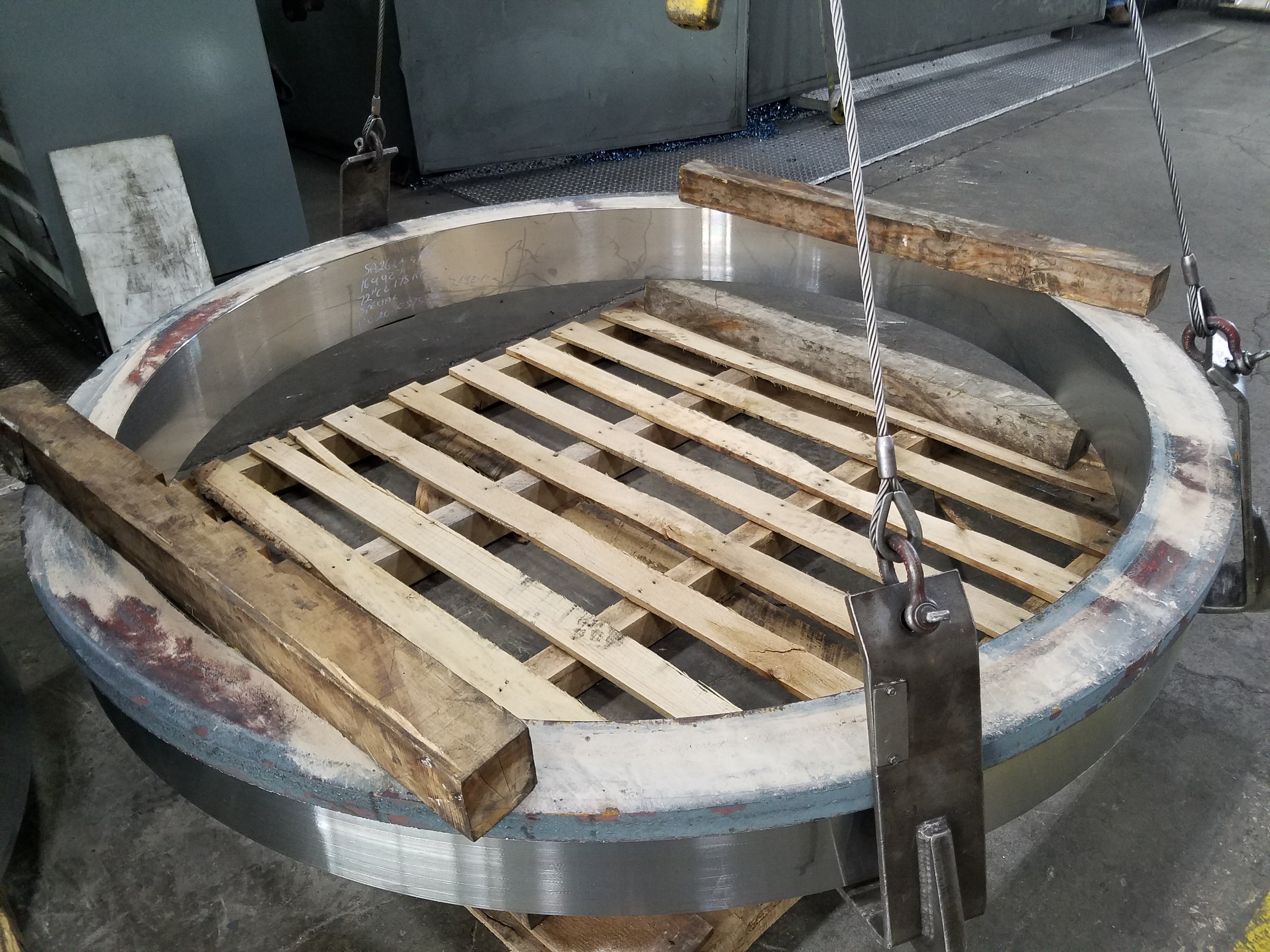
A below-normal forecast is a reason to feel good about the season, not a reason to relax on procurement. For a July or August turnaround on the Gulf Coast, the materials decision that matters was always going to be made in June, when the weather is calm and the supply base is running normally. Order the long-lead items now, lock your specs, and let the storm be someone else's problem.
If you have a summer turnaround coming and want your long-lead flanges quoted and staged before the season heats up, get the list to our team. We will tell you what is stock, what is not, and the real lead time before you commit, so a quiet hurricane season stays quiet for your scheduling too. Cheers to a smooth post storm season!
Texas Flange & Fitting Supply | 281-484-8325 | texasflange.com